

Custom Trading Software for Brokers: Compliance, Control, and Competitive Advantage
The brokerage industry is evolving faster than ever. Traders today expect sleek mobile apps, real-time data feeds, personalized dashboards, and seamless execution — the kind of digital experience they’re used to from big tech platforms. For brokers, however, meeting these expectations is easier said than done.
Most rely on third-party or white-label platforms such as MetaTrader (MT4/MT5) or other vendor solutions. While these systems have served the industry for years, they come with significant limitations: high licensing costs, little room for innovation, and a lack of differentiation in a crowded market.
This is where custom trading software are changing the game. By building and owning their own technology, brokers are moving away from dependency on vendors and creating unique, profitable, and compliant platforms that traders love.
In this article, we’ll explore why brokers should seriously consider investing in a custom trading app, the benefits it brings, and how it can transform their business.
The Pain Points Brokers Face with Third-Party Platforms
Before diving into the benefits, let’s look at the common challenges brokers face when relying solely on off-the-shelf platforms:
- High recurring licensing fees
White-label platforms eat into margins with ongoing vendor fees. The more traders you onboard, the more expensive it becomes. - Limited customization
Every broker on the same platform looks and feels similar. Differentiation is almost impossible, making it harder to build a unique brand identity. - Vendor dependency
Updates, bug fixes, and new features are entirely in the vendor’s hands. Brokers have little control over product roadmaps. - Compliance risks
Regulations vary by region (SEBI in India, FCA in the UK, MiFID II in Europe). Off-the-shelf solutions may not adapt fast enough, exposing brokers to penalties. - Weak client retention
Traders switch to competitors if apps feel outdated, lack innovation, or fail to provide personalized value.
In short, while off-the-shelf platforms reduce time-to-market, they limit brokers’ ability to control costs, innovate, and retain traders long term.
How a Custom Trading Software Benefits Brokers
Now let’s look at the advantages of developing your own trading platform, tailored to your business model and traders’ needs.
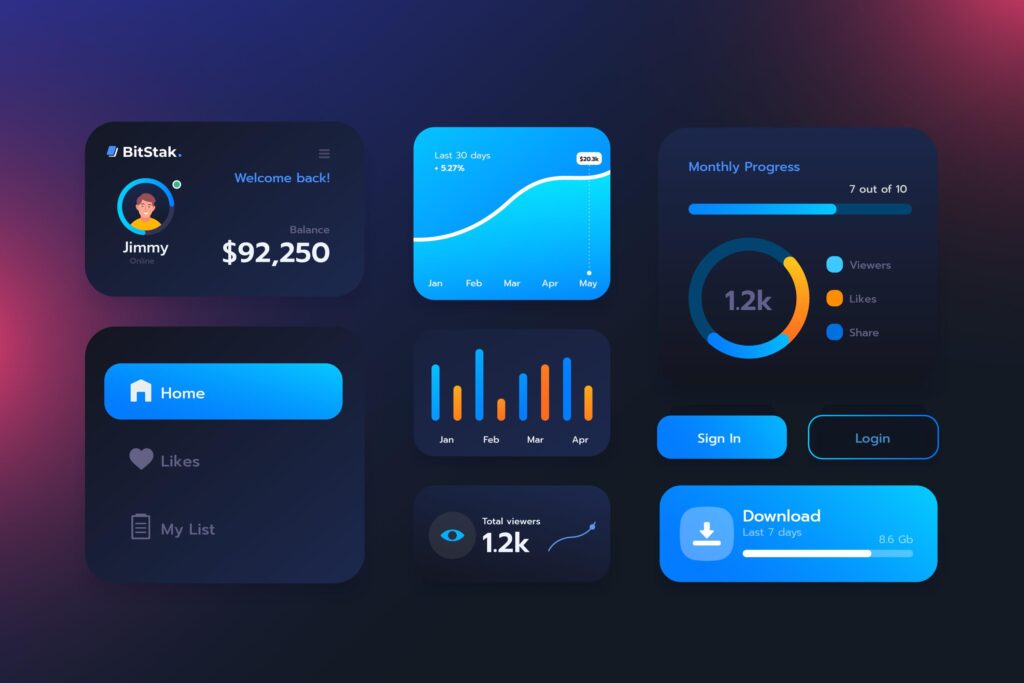
1. Brand Differentiation & Client Loyalty
In today’s competitive market, standing out is essential. Traders don’t just want another generic trading app — they want an experience that feels professional, modern, and trustworthy.
A custom app allows brokers to:
- Implement unique branding and UI/UX that aligns with their identity.
- Create personalized dashboards for beginner, intermediate, and professional traders.
- Offer niche features (e.g., education tools, trading signals, risk calculators) to engage users.
This differentiation builds brand equity and trader loyalty, reducing churn and making your brokerage the go-to choice.
2. Cost Efficiency & Ownership
While building a custom trading app requires upfront investment, the long-term savings are substantial:
- No recurring vendor licensing fees → More profits retained by the brokerage.
- Scalability without added costs → You can onboard 10 traders or 10,000 without renegotiating licenses.
- Technology ownership → You own the intellectual property (IP), giving you leverage and independence.
For many brokers, the ROI of a custom app becomes clear within 2–3 years, as recurring vendor fees are eliminated.
3. Compliance & Risk Control
Regulations in financial services are complex, and failing to comply can result in heavy fines or reputational damage. A custom trading app can:
- Integrate KYC/AML modules to verify traders quickly.
- Provide audit trails and transaction logs for regulators.
- Adapt to local rules (SEBI, FCA, MiFID II, etc.) without waiting for vendor updates.
This flexibility gives brokers peace of mind and reduces compliance risks.
4. Feature Innovation & Competitive Edge
One of the strongest reasons brokers move toward custom trading apps is innovation freedom.
With your own platform, you can add features that matter most to your traders, such as:
- Algo-Trading & Bots – Cater to advanced users with automated strategies.
- AI-Driven Insights – Use machine learning for market predictions, sentiment analysis, or portfolio suggestions.
- Multi-Asset Support – Stocks, forex, crypto, and commodities under one app.
By offering features your competitors lack, you become the preferred brokerage for both new and seasoned traders.
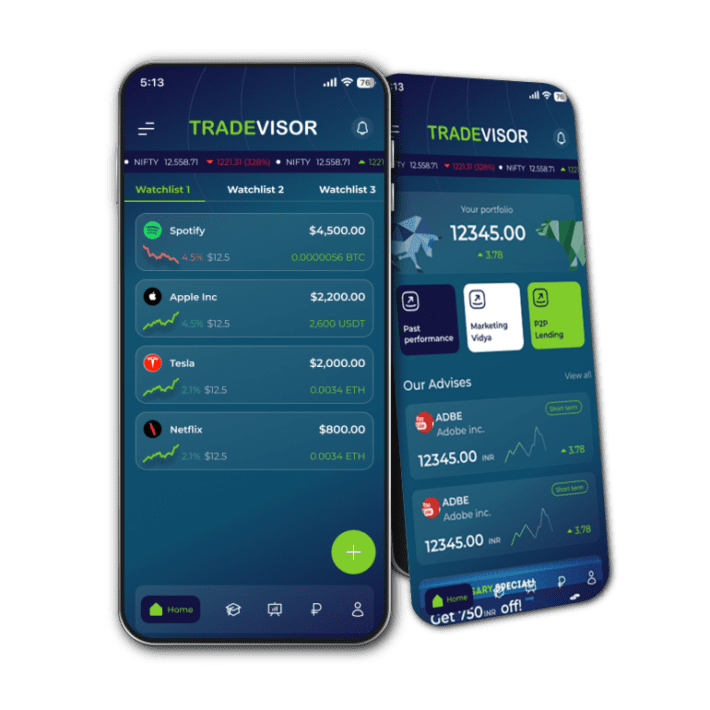
5. Trader Acquisition & Retention
Winning new traders is expensive. Keeping them is even harder if your platform feels outdated. A custom app helps with both:
- Attracting new clients – Modern apps with real-time data and sleek interfaces appeal to digital-native traders.
- Retaining existing traders – Providing extra value through personalized analytics, educational content, or gamified experiences keeps them engaged.
Higher retention = stronger long-term profitability.
Challenges Brokers Should Consider
Of course, building a custom trading app is not without challenges. Brokers should plan for:
- Upfront development cost – Requires capital investment, though the ROI is strong long term.
- Choosing the right technology partner – Not every software vendor understands trading or regulatory needs.
- Ongoing support & maintenance – Apps need constant updates to stay fast, secure, and competitive.
The key is selecting a development partner with deep expertise in financial software, real-time data processing, and compliance.
Conclusion
Brokers are at a crossroads. Relying on third-party platforms may feel convenient, but it limits growth, profitability, and independence. A custom trading app offers:
- Brand differentiation that attracts and retains traders.
- Cost savings by eliminating recurring vendor fees.
- Compliance flexibility to stay ahead of regulators.
- Innovation freedom to outpace competitors.
In an industry where technology defines success, brokers that own their platforms will lead the next wave of digital trading.
If you’re a broker considering this move, the question isn’t “Can I afford to build a custom trading app?” — it’s “Can I afford not to?”
Looking to explore how a custom trading platform could transform your brokerage?
Let’s start a conversation about building a solution tailored to your needs.